Introducing the HeartIQ scan
HeartIQ scan is a heart intelligence scan that delivers 4 core insights from one fast, safety focused visit
Early detection saves lives
Catch heart disease and cancer early with a 5 minute full body scan.
Heart disease is the #1 cause of death in the U.S., and lung cancer is the leading cause of cancer death.
Request a Scan
Why choose Advanced Body Scan?
Here's what we can do for you.
- Get the information you need to take control of your health.
- A body scan can be used to detect heart disease, as well as cancer and other abnormalities in the body.
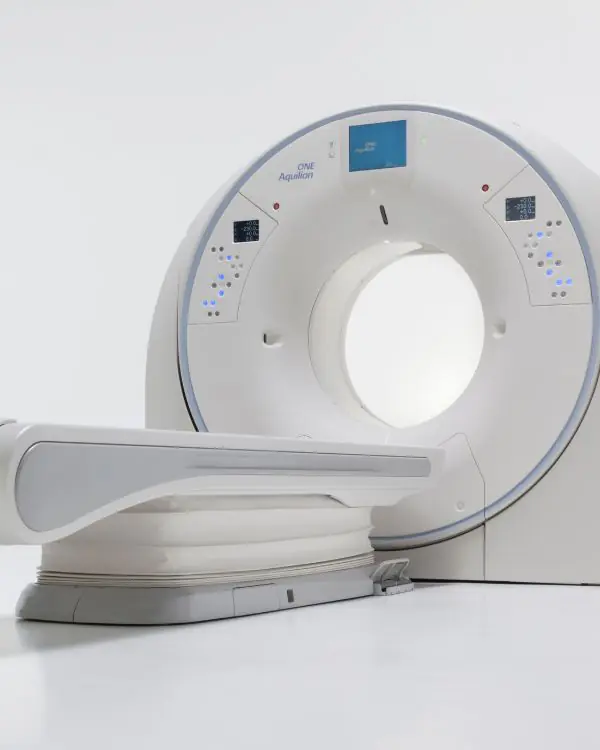
- We use a state-of-the-art CT scanner that can take multiple images of the organs within the time of a single heartbeat, thus providing much more detail.
- Body scans, which are ultra-accurate, extremely fast, and non-invasive, give you information that can save your life.

2020 Fatalities From The Top Causes of Death in the U.S.
Heart Disease
Cancer
Covid-19
If you could catch serious disease early, before symptoms, would you?
Advanced detection Screening CAn save Your Life
Advanced Body Scan offers you the latest technology to detect illnesses such as heart disease and cancer months or even years before symptoms may appear to help put YOU in control of YOUR health.
All advanced detection scans at Advanced Body Scan are performed on the latest imaging technology. The Advanced Body Scan takes only a few minutes and can provide you with the information that can make the difference between years of treatment or simply a change in lifestyle.
If you are up against silent killers, such as heart disease or cancer, early detection can exponentially increase your chances of survival. When you turn to us, you can be confident that your concerns will be handled by highly qualified professionals. Visit us today at one of our locations.

Book your scan now
Patient Stories
Frequently Asked Questions
What can I see on a Full Body Scan?
The specific findings that can be seen on a whole body medical scan will vary depending on the type of scan that is used and the body part that is being imaged. However, some of the most common findings that can be seen on whole body scans include:
- Cancer: Whole body scans can be used to detect cancer at an early stage, when it is most treatable.
- Tumors: Tumors are abnormal growths of tissue. Tumors can be benign (non-cancerous) or malignant (cancerous).
- Inflammation: Inflammation is a condition that causes redness, swelling, and pain. Inflammation can be seen on a scan as an area of increased brightness.
- Abnormalities in bone density: Whole body scans can be used to measure bone density. Bone density is important because it can help to identify osteoporosis, a condition that causes bones to become weak and brittle.
- Abnormalities in the heart and lungs: Some whole body scans are used to detect early signs of deadly diseases such as heart and cancer.
What's the difference between a MRI and Computed Tomography Body Scan?
The main difference between a computed tomography scan like ours and an MRI scan is that the MRI scan cannot image the heart and the vessels around it. Since heart disease is the number one killer of all diseases, it is very important to have a scan that can see early signs of heart disease. Our scan can also see up to 500 different types of cancers. So early detection is the key with an advanced body scan. Advanced Body Scans computed tomography scans are considered the gold standard for imaging the heart. Since heart disease is the number one killer of all Americans, it makes sense to get this scan in lieu of an MRI. Cancer is the second leading cause of death after heart disease. Of all cancers, Lung cancer is number one in deaths. The lungs are another area that MRIs struggle to image. Computed Tomography scans are superior at imaging calcium buildup in the heart and the structures of the lungs for lung cancer.
Other differences between an MRI and a Computed Tomography Scan are comfort and time. Our Advanced scan takes less than 5 minutes. There is no need to change clothes and there are no needles, no prep, and nothing covering your body. With MRI technology, your body is covered in electronics called "coils" These coils remain in place for the entire scan and can be somewhat cumbersome. They can hold heat causing many patients to overheat during scans. Counting the time it takes to attach the coils to your body, the entire process can take upwards of 45 minutes to 75 minutes for the entire MRI process. MRIs also produce an enormous amount of noise, up to 100 decibels, and can be very problematic for people who are subject to claustrophobia.
Who should get a Body Scan?
A whole-body Computed Tomography Scan, also known as a CT Body Scan, is a valuable tool for detecting potential health issues at an early stage. You should consider getting a whole-body CT scan if you have individual risk factors such as obesity, environmental exposures, and especially a family medical history of disease. The following individuals may benefit from a whole-body CT scan:
- Asymptomatic Individuals with Risk Factors: People with a family history of certain diseases, such as cancer or heart disease, may consider getting a whole-body CT scan to identify potential early signs or genetic predispositions.
- Smokers and Former Smokers: Current and former smokers are at a higher risk of developing lung cancer and other respiratory issues. A whole-body CT scan can help detect lung abnormalities and identify potential issues early on.
- Individuals with Specific Symptoms: In some cases, individuals experiencing unexplained symptoms, such as persistent pain, weight loss, or other concerning issues, may be advised to undergo a whole-body CT scan to investigate the cause.
- High-Risk Occupational Exposure: Certain professions expose individuals to substances or conditions that may increase the risk of specific diseases. Those with high-risk occupational exposure may consider regular whole-body CT scans as part of their health monitoring.
- Those with Chronic Conditions: People with chronic conditions like autoimmune diseases or chronic infections may consider whole-body CT scans to monitor disease progression and potential complications.
- Individuals with Known Health Conditions: People with certain existing health conditions, such as a history of cancer, heart disease, or kidney problems, may benefit from regular whole-body CT scans to monitor disease progression or detect potential recurrences.
- Those with a History of Environmental Radiation Exposure: Individuals who have received significant radiation exposure in the past, either due to medical treatments or other reasons, may consider whole-body CT scans for ongoing monitoring and assessment.
- Middle-Aged and Older Adults: As people age, the risk of developing various health issues increases. Middle-aged and older adults may choose to undergo whole-body CT scans as part of their preventive healthcare strategy.
- Individuals Considering Lifestyle Changes: People planning to make significant lifestyle changes, such as starting a new exercise routine, quitting smoking, or altering their diet, may consider getting a baseline whole-body CT scan to track improvements in their health over time.
- Athletes and Fitness Enthusiasts: Athletes and those actively engaged in intense physical activities may use whole-body CT scans to assess potential sports-related injuries or monitor their musculoskeletal health.
- Individuals with Concerns about Osteoporosis: Whole-body CT scans can help assess bone density and detect early signs of osteoporosis, a condition characterized by weakened bones.
- Individuals with Unexplained Weight Loss: Sudden and unexplained weight loss could be a sign of an underlying health issue. Whole-body CT scans can help identify potential causes.
- People with a History of Environmental Exposure: Individuals who have lived in or near areas with environmental contaminants or pollutants may opt for whole-body CT scans to assess any potential health risks.
- Individuals Planning Major Medical Procedures: People scheduled for extensive surgeries or organ transplants may undergo whole-body CT scans to assess their overall health status before the procedure.
- Those Seeking Peace of Mind: Some individuals may choose to have a whole-body CT scan simply for peace of mind, especially if they have concerns about their health and want a comprehensive evaluation.
Will I get a Heart Calcium Score
Yes, our scan measures the calcium buildup in your coronary arteries and determines a specific score.
A calcium score from a CT heart scan is a measure of the amount of calcium buildup in the coronary arteries. Calcium buildup is a sign of atherosclerosis, which is a narrowing of the arteries that can lead to a heart attack.
The calcium score is calculated by using a computer to count the number and size of calcium deposits in the coronary arteries. The score is then expressed as a number, with a higher score indicating more calcium buildup.
A calcium score of 0 means that there is no calcium buildup in the coronary arteries. A calcium score of 1 to 10 indicates a small amount of calcium buildup. A calcium score of 101 to 400 indicates moderate calcium buildup. A calcium score of 401 or higher indicates severe calcium buildup.
The calcium score is a useful tool for predicting the risk of a heart attack. People with a higher calcium score are more likely to have a heart attack in the future. However, the calcium score is not a perfect predictor of risk, and other factors, such as age, gender, and family history, also play a role.
A CT heart scan is a relatively painless and noninvasive procedure. It is typically performed in a hospital or imaging center. The patient lies on a table and is injected with a contrast dye. The CT scanner then takes a series of images of the heart.
The calcium score is a valuable tool for assessing the risk of a heart attack. However, it is important to remember that the calcium score is not a perfect predictor of risk. Other factors, such as age, gender, and family history, also play a role. If you have a high calcium score, it is important to talk to your doctor about your risk of a heart attack and how to reduce your risk.
Here are some of the benefits of getting a calcium score:
- It can help to predict your risk of a heart attack.
- It can help your doctor to decide if you need further testing or treatment.
- It can help you to make lifestyle changes to reduce your risk of a heart attack.
Is a body scan painful?
No, It is a completely noninvasive scan. There are no needles, no dyes to drink, no fasting, and no medications to take. This test takes less than 5 minutes.
Will I get a consultation?
Yes, we have cardiologist, radiologist, and other MDs on staff that will go over your results and answer any questions you may have after the scan.
How long does it take?
The scan takes less than 5 minutes, because you don’t have to change clothes and there are no needles, no dyes, no prep. It's one of the simplest medical tests you can take.
Do you take insurance?
Most commercial insurers including Medicare do not cover these types of scans. However, we have financing programs to fit any budget. Our financing programs have monthly payments starting at less than $100 a month.
Are all Body Scan Companies the same?
No, technology, outcomes, and the total number of scans performed have a huge impact on the quality of the outcome. Our continuous improvement in technology over the span of a dozen years and well over 100,000 successfully performed scans make Advanced Body Scan the leader in the industry as well as one of the most successful facilities at finding disease and cancer at early stages.
Will this affect my insurance or future insurance?
No. Advanced Body Scan does not report your scan results to your insurance company, government health databases, or any outside agencies. Your report of findings is given only to you, and if you request, we can share it with your doctor—but only at your direction.
Because we do not submit these scans to insurance, they do not become part of your medical record in a way that would affect your current or future insurance coverage or rates.
Your health decisions remain private, empowering you to take action without fear of impacting your insurability.
Advanced Detection Screening Services
Detecting disease early can change what happens next. It can mean simpler options, a clearer plan, and more time to act while problems are still manageable. As we get older, the smartest health decisions are usually the ones made before symptoms show up.
Advanced Detection Imaging at Advanced Body Scan
At Advanced Body Scan, we use latest generation CT technology designed to capture detailed images quickly and comfortably. Our protocols are built around two goals: high quality imaging and a patient experience that respects your time.
CT imaging is especially valuable for assessing the heart and lungs, two areas tied to the leading causes of death in the United States: heart disease and lung cancer. That is why so many people start here when they want real answers, not guesswork.
Heart Scans and Coronary Calcium Score
One of the most important advanced detection tools we offer is a CT heart scan with a coronary calcium score.
A coronary calcium score measures calcified plaque in the coronary arteries. It can help identify coronary artery disease before symptoms appear, and it gives your physician objective data to guide next steps.
Modern CT scanners can capture images fast enough to reduce motion blur from the beating heart, helping produce clearer, more readable images.
Heart concerns we can evaluate include
Coronary artery disease (plaque buildup that narrows arteries)
Signs linked to prior heart events and contributing factors (such as plaque patterns that suggest elevated risk)
Pericardial findings (the lining around the heart)
Heart size observations
Heart valve calcification indicators
If you have a family history of heart disease, high blood pressure, high cholesterol, diabetes, or you simply want a more objective baseline, a heart scan is often the most practical starting point.
CT Body Scans for Advanced Detection
Our CT body scan imaging is designed to evaluate multiple regions efficiently and can help identify a wide range of findings earlier than symptoms would.
Examples of concerns that may be seen on CT imaging
Pancreatic cancer
The pancreas sits deep in the abdomen, so early disease often produces few obvious signs. Imaging can help identify suspicious changes that may warrant follow-up.
Abdominal aortic aneurysm (AAA)
An AAA can enlarge silently. Imaging can detect aneurysms so your physician can monitor size and risk over time.
Thoracic aortic aneurysm
The aorta can weaken gradually. CT imaging can help identify enlargement in the chest portion of the aorta that may need monitoring or specialist review.
Important note: No scan can guarantee that every disease will be found, and not every finding is cancer or an emergency. The goal is earlier visibility and clearer decision-making.
Lung Scans and Chest Findings
CT imaging is widely used to evaluate the lungs because it can reveal small changes that may not cause symptoms early on.
Lung and chest concerns that may be detected
Lung nodules and lung cancer indicators: Abnormal growth patterns that may require follow-up imaging or specialist evaluation
Emphysema and chronic lung changes: Structural changes in air sacs and lung tissue
Hiatal hernia: When part of the stomach moves upward through the diaphragm
If you are a current or former smoker, have long-term exposure risks, or want clarity on your lung health, a CT-based lung evaluation can provide meaningful answers.
Virtual Colonoscopy
Virtual colonoscopy (CT colonography) is a non-surgical imaging approach that creates a detailed view of the colon. It is designed to detect abnormalities that may require follow-up, including suspicious polyps.
Compared with an optical colonoscopy, virtual colonoscopy does not involve advancing a scope through the entire colon, which can reduce certain procedure-related risks. That said, if something is found, an optical colonoscopy may still be recommended for removal or biopsy.
Virtual colonoscopy may help identify
Colon polyps
Findings suspicious for colon cancer
Diverticulosis and diverticulitis patterns
Wall thickening or abnormal inflammation
Other abdominal findings in the scanned region (your report will specify what was seen)
Why Patients Choose Advanced Body Scan
People do not come to us because they want more tests. They come because they want better clarity.
Fast, efficient appointments
Latest generation CT imaging focused on detail
Board-certified radiology review
Results that support informed next steps with your physician
If you are ready to stop guessing and start with real data, Advanced Body Scan is built for that.