
Stop a Heart Attack
Before It Starts.
Every 33 seconds, someone dies from cardiovascular disease in the United States. Most had no symptoms at all. Our Heart Scan detects the warning signs early — when treatment is still an option.
The Silent Killer
Most heart attacks strike without warning.
You feel fine. Until you don't. Heart disease is a progressive disease that builds silently for years — often decades — before a heart attack or stroke occurs.
Other diagnostic procedures only capture signs of disease once you are experiencing 50–75% arterial blockage. Even if you recently had a normal stress test, MRI, or PET scan, if you fall into a high-risk category — you should consider a heart scan.
Our Heart Scan detects early signs of:
All before symptoms appear. When early treatment is still an option.
33 sec
Why a heart scan beats other tests
What Is a Heart Scan?
A simple CT scan.
A powerful life-saving tool.
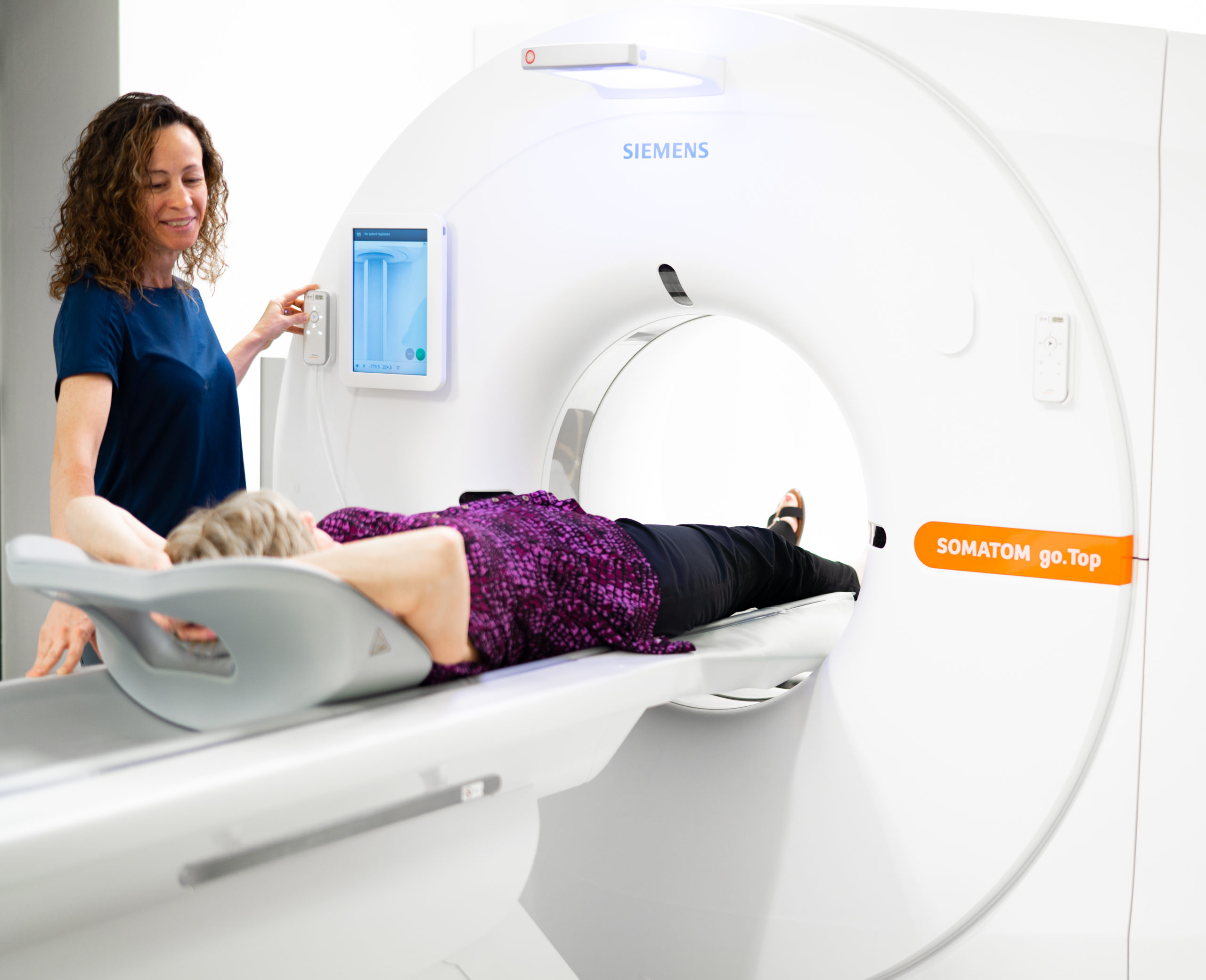
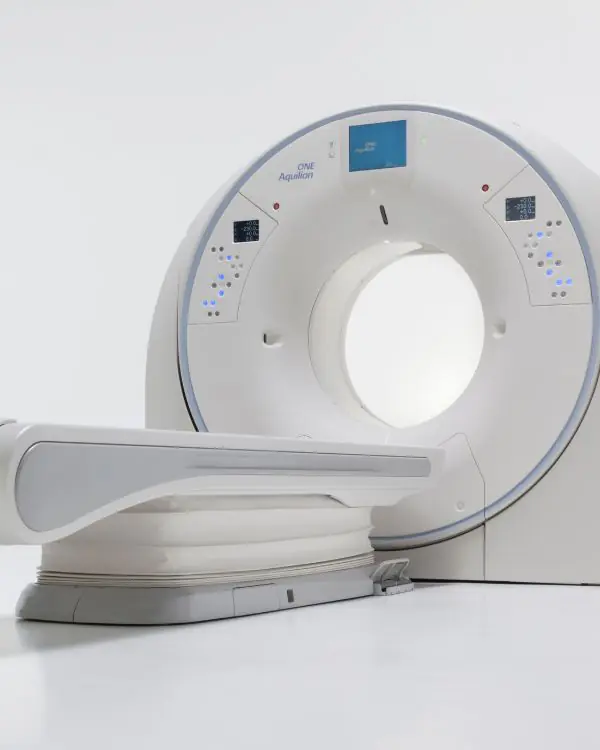
Our Heart Scan uses advanced low-dose CT imaging to measure calcium buildup in your coronary arteries — the most reliable early indicator of heart disease risk. It's the easiest medical test you'll ever take.
Fast — Under 5 Minutes
No clothing change required. You walk in, lie down, the scanner takes images, and you're done. Most patients are in and out in about 60 minutes total.
No Needles. No Prep. No Downtime.
No injections, no contrast dye, no fasting, no medications. Return to normal activity immediately after your scan.
Calcium Score & Full Written Report
You receive a detailed written report including your coronary artery calcium score — a measurable number you can share with your doctor and track over time.
Board-Certified Radiologist Review
Every scan is reviewed by a board-certified radiologist. Significant findings are followed up with a direct physician consultation.
Completely Private
Results are never reported to insurance companies, government databases, or any outside agencies. Your health information belongs to you alone.
Ready to know your heart health?
Get pricing & schedule
your Heart Scan today
Financing from <$100/month · No referral needed
Understanding Your Results
What your coronary calcium score means
Your calcium score is a measurable number that tells you — and your doctor — how much calcified plaque has built up in your coronary arteries. It's one of the most powerful predictors of future heart attack risk.
Who Should Get a Heart Scan?
You may be at risk without knowing it
Heart disease often shows no symptoms until a heart attack or stroke occurs. Consider a heart scan if you:
Are over 40 years old
Have high blood pressure or high cholesterol
Have a family history of heart disease or heart attacks
Smoke or used to smoke
Live with high levels of chronic stress
Are overweight or have diabetes
Feel light-headed or short of breath during normal activity
Simply want peace of mind about your heart health
Real People. Real Lives Saved.
See what a heart scan can do
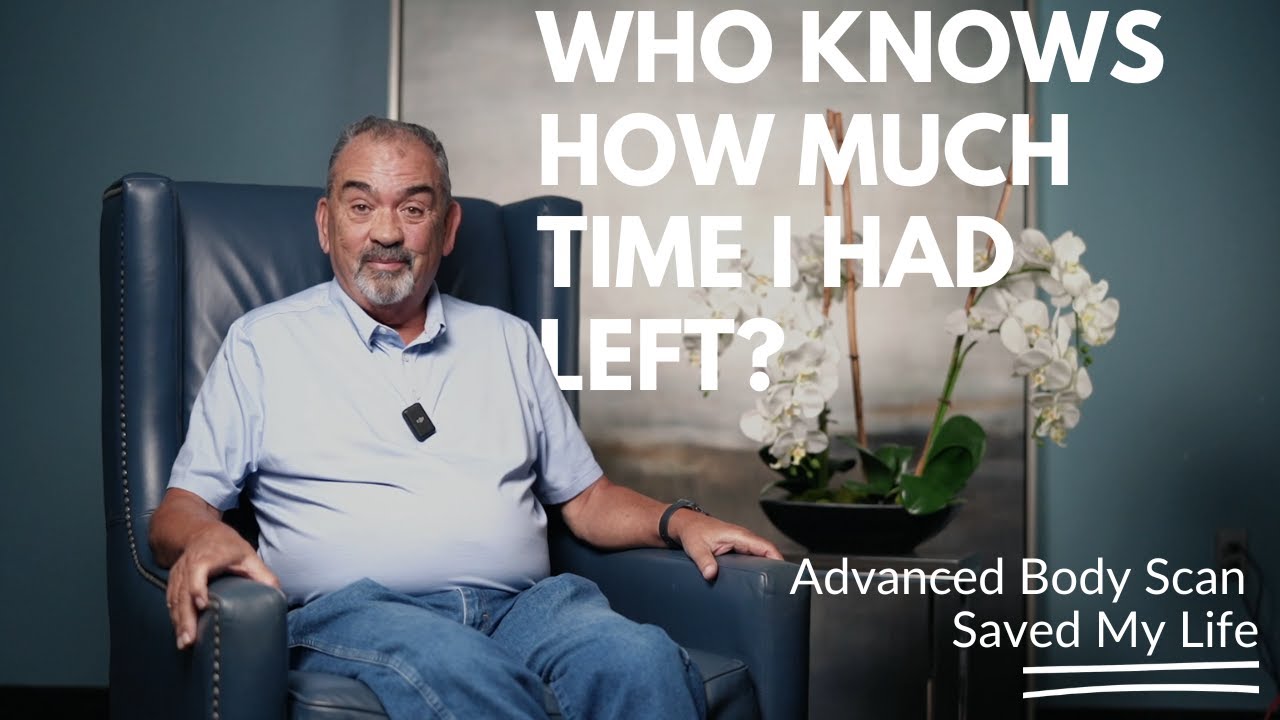
Stories from real patients whose heart scans detected disease early — giving them the chance to take action before it was too late.
What We Can Detect
Understanding heart disease — and how we find it early
Our Heart Scan can identify early signs of the most serious cardiovascular conditions — often years before they cause symptoms.
Heart Attack (Myocardial Infarction)
More than a million Americans have heart attacks each year — one every 25 seconds. Our Heart Scan detects the calcium buildup and plaque that leads to heart attacks, identifying risk long before an event occurs.
Risk Factors
- Family history of heart disease
- Smoking
- High cholesterol
- Stress and physical inactivity
- Obesity and diabetes
- High blood pressure
Symptoms of a Heart Attack
- Pain or discomfort in the jaw, neck, or back
- Feeling weak, light-headed, or faint
- Fatigue
- Pain or discomfort in arms or shoulder
- Shortness of breath
- Chest pain or discomfort
Prevention
- Quit smoking — avoid second-hand smoke
- Lower cholesterol and control blood pressure
- Maintain a healthy weight and exercise regularly
- Get a heart scan on a regular basis to track your calcium score
Coronary Artery Disease (CAD)
Coronary artery disease is the most common type of heart disease and the leading cause of death in the US for both men and women. It occurs when the arteries supplying blood to the heart become hardened and narrowed due to plaque buildup.
Symptoms
- Chest pain or discomfort (angina)
- Pressure or squeezing in the chest, shoulders, arms, neck, jaw, or back
- Fatigue and indigestion
- Pain that worsens with activity and goes away with rest
- Shortness of breath
Prevention
- Quit smoking — avoid second-hand smoke
- Exercise regularly and eat a healthy diet
- Stay at a healthy weight
- Get a heart scan to detect early calcium buildup before symptoms appear
The CT heart scan at Advanced Body Scan is the single most effective technology available to simply and non-invasively detect the buildup of calcium deposits in the coronary arteries.
Stroke Risk
Stroke is the #5 cause of death and the leading preventable cause of disability in the US. Nearly 800,000 people in the US have a stroke every year. A heart scan can detect calcified plaque in the arteries around the heart — if these arteries become blocked, the same plaque can detach and block a vessel to the brain, causing a stroke.
Stroke Symptoms (F.A.S.T.)
- Face drooping — Does one side droop or feel numb?
- Arm weakness — Is one arm weak or numb?
- Speech difficulty — Is speech slurred or hard to understand?
- Time to call 911 — If any symptoms appear, call 911 immediately
Prevention
- Prevent or control high blood pressure
- Stay physically active
- Control blood sugar and cholesterol
- Stop smoking
- Get a heart scan to detect plaque buildup before it causes a stroke
Additional Cardiac Assessments
In addition to coronary artery calcium scoring, our Heart Scan provides assessment of additional cardiac structures:
- Pericardium Assessment — evaluation of the sac surrounding the heart
- Heart Size Assessment — cardiomegaly (enlarged heart) detection
- Heart Valve Calcification — early identification of valve disease
- Aortic Aneurysm — detection of dangerous enlargement of the aorta
- Pericardial Effusion — fluid buildup around the heart
As Seen & Heard On


Common Questions
Frequently asked questions
Will this affect my insurance or medical record?
Is a CT heart scan safe?
Does the heart scan hurt?
How much does a heart scan cost?
What is a coronary calcium score?
A coronary calcium score is a number that measures the amount of calcified plaque in your coronary arteries:
- Score 0 — No calcium buildup (lowest risk)
- Score 1–10 — Minimal buildup
- Score 11–100 — Mild buildup
- Score 101–400 — Moderate buildup, elevated risk
- Score 401+ — Severe buildup, high risk
A higher score indicates greater risk of a future heart attack. Your physician can use this number to guide lifestyle changes and treatment decisions.
How long does a heart scan take?
Why should I get a heart scan even if I feel fine?
Don't Wait for a Wake-Up Call
You may feel fine today.
That doesn't mean you're in the clear.
Schedule your Heart Scan now at our Oklahoma City, Dallas, or Houston location. Fast. Simple. It could save your life.